Uncategorized

The Art of the Policy Brief: Turning Data into Action

Most academic research suffers a tragic fate. It takes months or years to produce, but it often ends up sitting on a digital shelf. It is read by a handful of other experts, cited a few times, and then filed away. Meanwhile, policymakers are making decisions every day without access to this critical data.The problem […]

The Art of the Policy Brief: Turning Data into Action Read More »
Conservation Needs Indigenous Knowledge

We often think of “innovation” as something new. We imagine laboratories, satellites, and cutting-edge data models. But when it comes to saving our environment, some of the most advanced technologies on earth are actually thousands of years old. They are known as Indigenous Knowledge Systems (IKS). For centuries, Western science and Indigenous knowledge were treated

Conservation Needs Indigenous Knowledge Read More »

Wetlands Are Degrading 3x Faster Than Forests: It’s Time to Widen Our View of Conservation

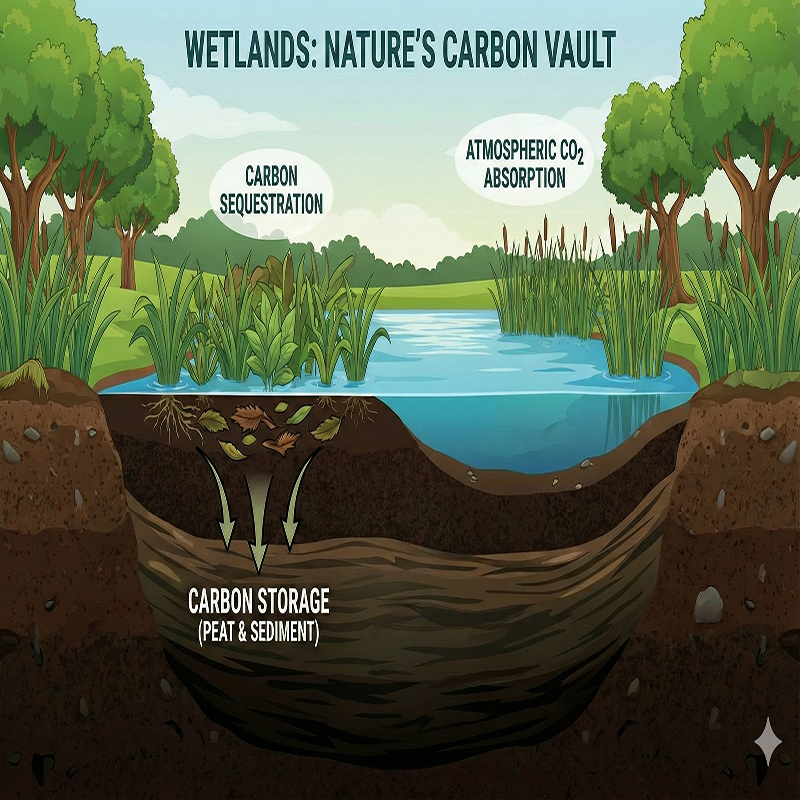
We all know the importance of trees. From a young age, we are taught that forests are the “lungs of the earth.” They are iconic symbols of nature, and protecting them is rightly a global priority. But while our eyes are fixed on the canopy, we are losing the ground beneath our feet. Recent data

Wetlands Are Degrading 3x Faster Than Forests: It’s Time to Widen Our View of Conservation Read More »

Difference Between Knowledge Dissemination and Knowledge Co-Creation

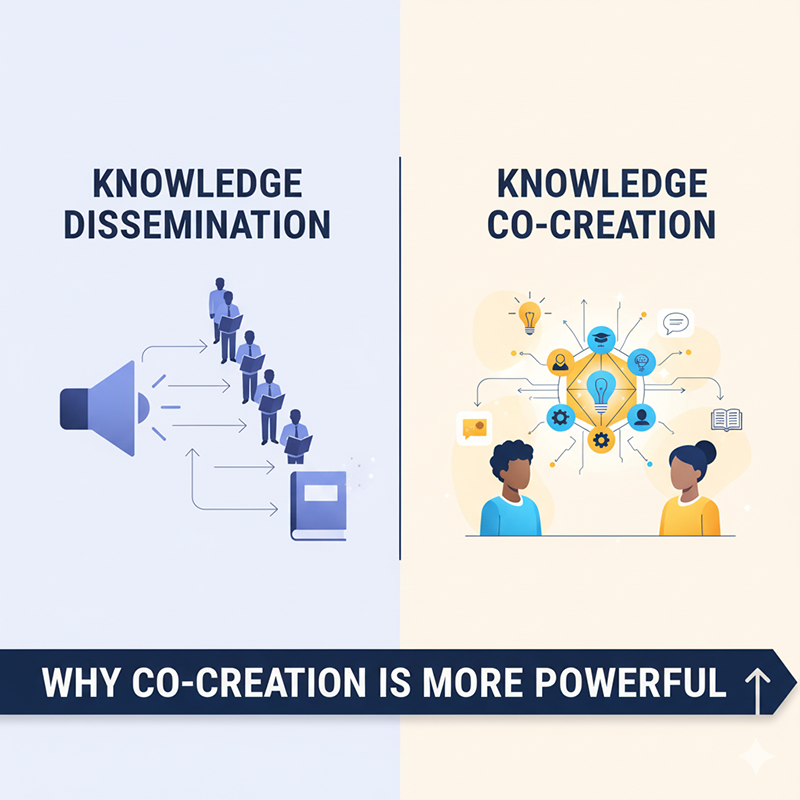
Knowledge Dissemination vs. Knowledge Co-Creation: Why Co-Creation Leads to Stronger Impact In community and environmental work, people often talk about “sharing knowledge” with farmers, rural communities, youth, or policymakers. This is usually described as knowledge dissemination. Although dissemination is useful, many researchers and practitioners now argue that knowledge co-creation leads to deeper learning, stronger community

Difference Between Knowledge Dissemination and Knowledge Co-Creation Read More »